Najiya
By Wajdi al-Ahdal
Translated by Angela Haddad
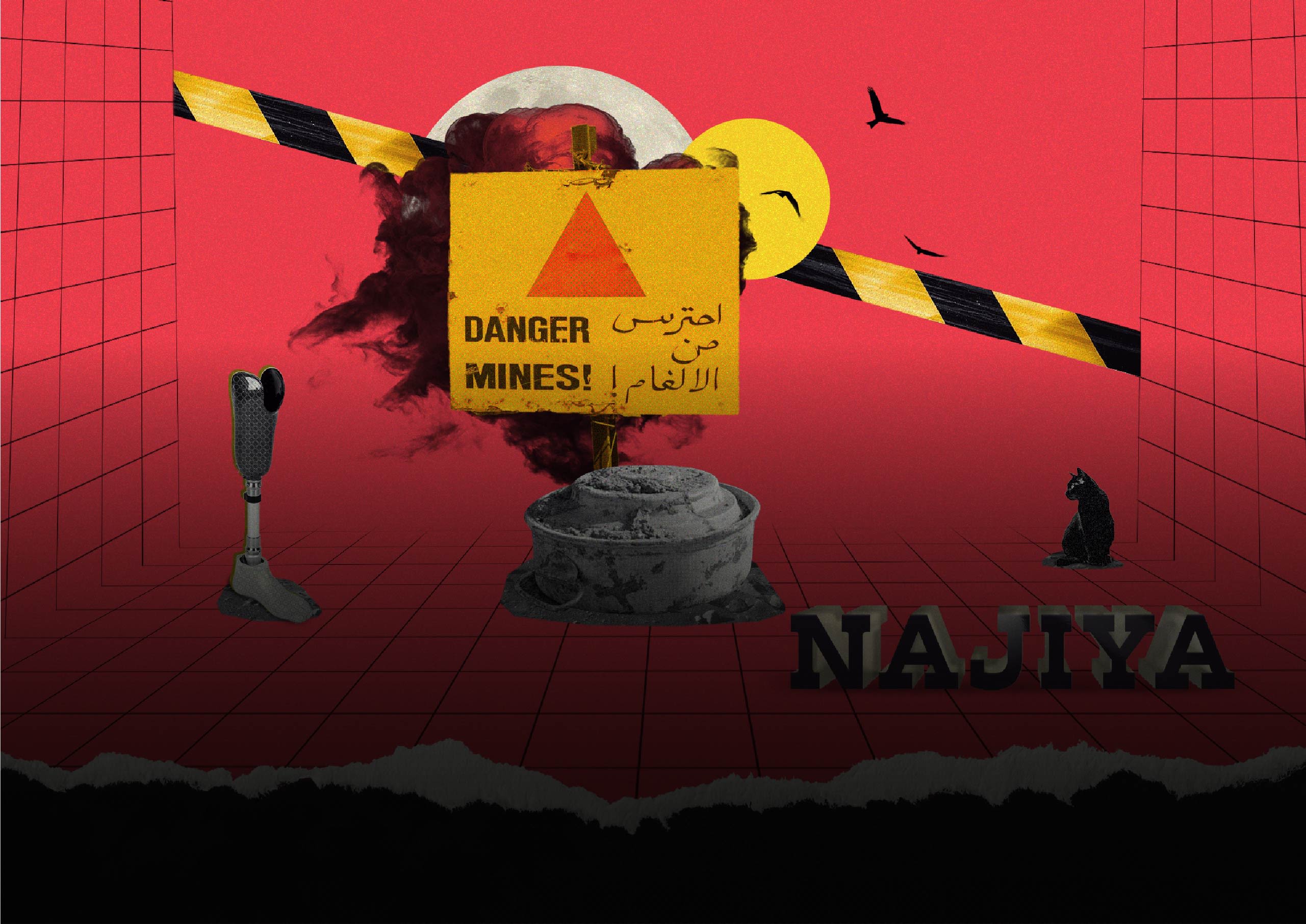

I had warned her against going there.
Luckily though, Najiya worked in the management building’s accounting office, which was relatively far from the hangars that had been set ablaze by falling bombs.
It was a crisp, cold morning. Her body had been spared, not even a single scratch left its mark, but her spirit had been wounded. Disconcerting effects from her psychological scars suddenly afflicted her, completely in contrast with her strong, courageous personality. Whenever she heard explosions, fireworks crackling, or rumbling thunder, she would fall to the ground and take cover beneath a table or chair, or curl up in a corner and cry profusely.
In those moments, when the memory of that day returned to her, she imagined herself as a scorched corpse whose face had been disfigured, hair seared, and skin burned off. There would be nothing recognizable about her. The smell of charred flesh pervaded her nostrils, and she would find herself transported back to the past, stuck between the leveled buildings and corpses as she relived the horror of time freezing and life stopping.
Najiya was average in height, beautiful, and slender. She was 24 years old with skin radiant like the rays of sunrise and deep, warm eyes. She had curly hair that she straightened, and on her right hand were two birthmarks near each other, one on her wrist and the other on the back of her hand.
She was my colleague but had more experience at the company. During my first day of work, her boldness surprised me. When she took off her niqab, she revealed a soft, round face. She bewildered me further when she removed her hijab and let her hair fall loose around her face.



Najiya was married to a worker in a five-star hotel, and they had agreed not to have kids until they owned a home.
Her father had died when she was ten, and she worked side jobs even from her early days in grade school. After high school, she matriculated into a business and economics college program and graduated with honors. This qualified her to continue her studies, but she ended up taking the first job that came her way.
When she first saw me, she came up and asked if I was the new worker. I nodded ‘yes’. She tilted her head to the side and examined me with an inquisitive look, as if she were eyeing an evening dress in a shop window. She pursed her pretty lips and headed straight to her office like a hard-to-please shopper.
She was often anxious and worried, probably because she assumed so much responsibility from so young an age. She’d doodle random shapes on any piece of paper that came to hand–even paper cups weren’t spared from her scribbles.
On the last day of December in 2015, the fancy hotel closed its doors and Najiya’s husband Numaan was let go.
Soon after, in the following year, airplanes shelled the factory that Najiya worked for, and she also lost her job.
***
Numaan opened up to his father about wanting to move back into the family home in Taiz, because he could no longer afford rent in Sana’a. His hopes were dashed when his father told him to forget about living in a city, and in Taiz especially, and to move, instead, to the countryside.
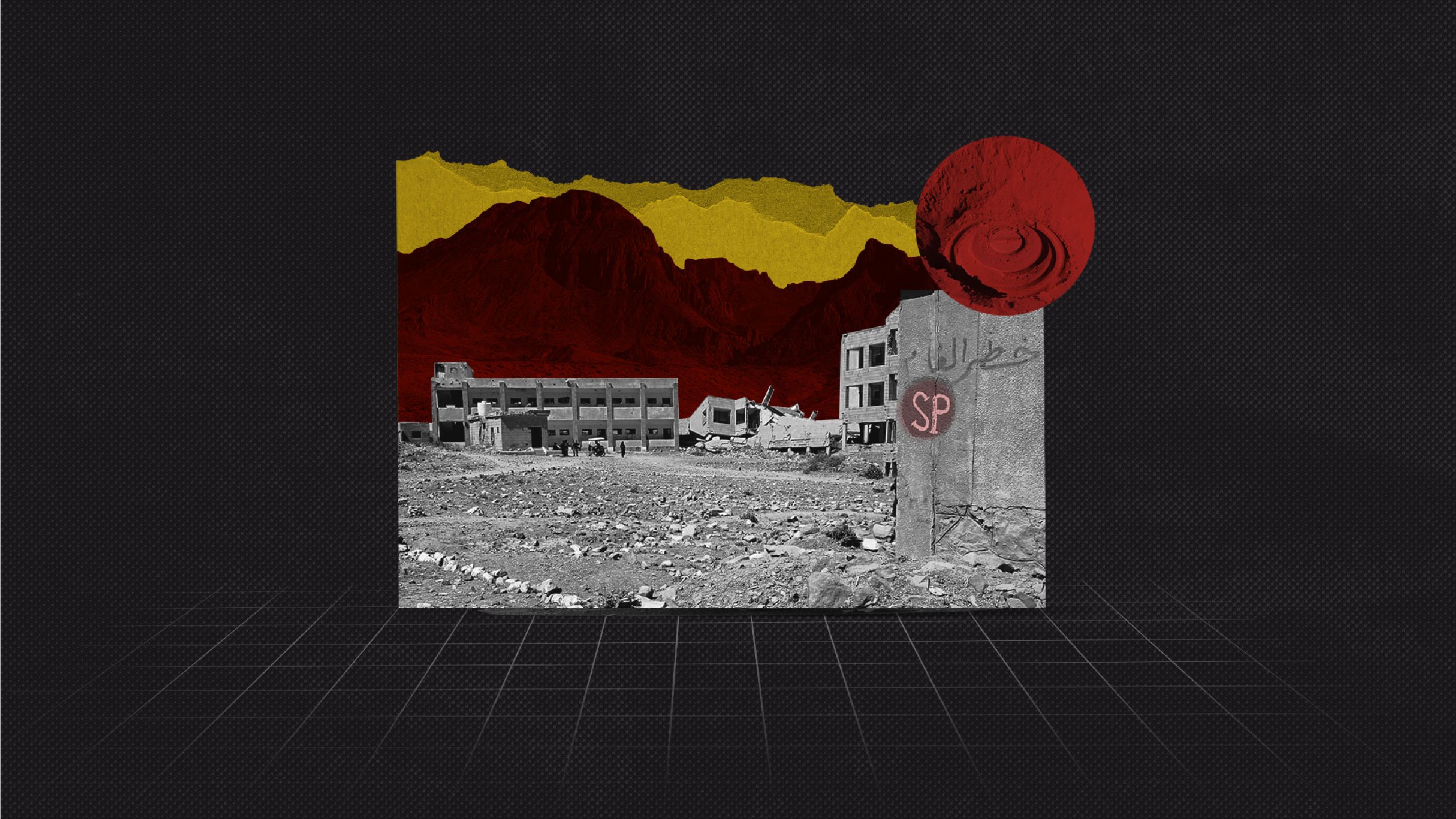
Numaan’s family home was in Hasab, a neighborhood that was center stage in the armed clashes that brought all kinds of weaponry into play. After fatal confrontations, the Houthis and their allied forces withdrew from the neighborhood, but only after leaving anti-personnel and anti-vehicle mines everywhere.
The neighborhood’s residents all left when the clashes broke out at the beginning of 2015, and Numaan’s parents, carrying only one suitcase, moved to their hometown in the countryside. Though calm and peace eventually returned to the neighborhood, the residents, fearing the mines, didn’t dare to return home.
Najiya and Numaan decided to travel to Taiz to inspect and clean the abandoned home where they thought they could stay for a few days.
A plan was set in place, and Numaan’s father promised to send the house keys to his uncle Mahyoub.
By noon, the couple made it to the pharmacy that the uncle owned in Ashrafiya, another neighborhood. They didn’t expect the promise to be broken, but Numaan’s father had not sent the house keys. Instead, he sent an envelope containing a letter.
Numaan opened the envelope and read the letter. His father told him to follow in his tracks to the village, which was three hours away from the city by car. He had also enclosed some money to cover the travel costs.
Numaan was livid. He tore up the letter, threw the money to the ground, and told his uncle that he’d go to the house in Taiz and manage with or without the keys.
Numaan hailed a taxi and, after persistent haggling, the driver finally agreed to take them to Hasab.
Najiya contemplated the driver’s features. He was handsome enough, were it not for a wart, a fingertip in size, protruding from the right side of his chin. She concluded that the mines were infectious and started infiltrating people’s faces. Mahyoub helped them carry their luggage and insisted on making the journey with them. He thought he’d be able to dissuade them from following through with their decision along the way. Meanwhile, Najiya and Numaan were beginning to perceive on their own the impossibility of living in a neighborhood emptied of its residents and surrounded by dangers.
They were stopped at a checkpoint because their destination was suspicious, but Numaan’s Taizi accent helped them cross safely.
Staring sharply at Najiya, the way a sculptor looks for the right spot to hammer his chisel into a marble boulder, Mahyoub said that the military guards wouldn’t have let them pass had they heard her Sanaani accent.
Najiya laughed nervously and felt a lump in her throat.


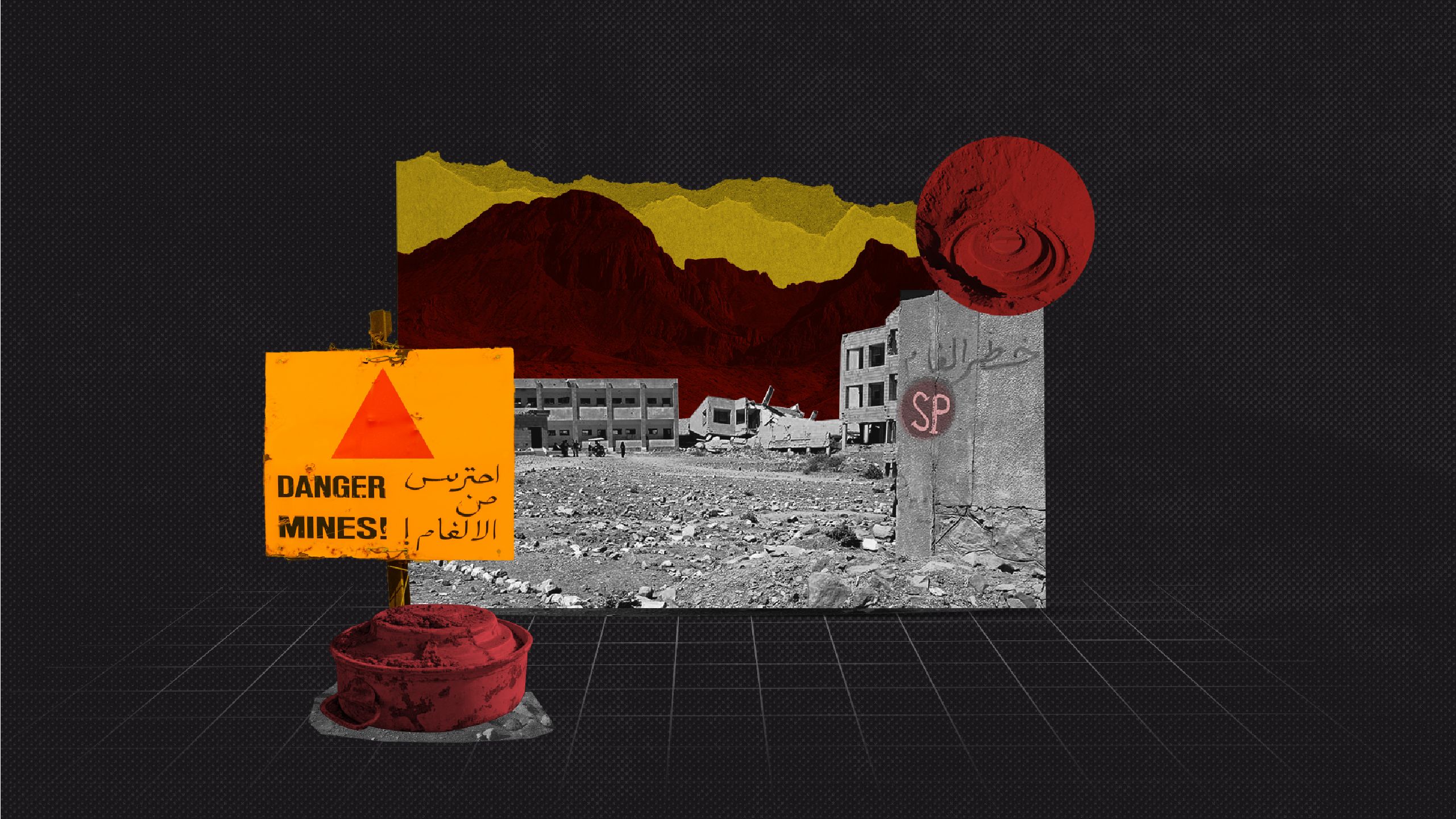
The driver moved slowly, sticking to the middle of the asphalt line and never deviating. The fog had gradually begun to thicken.
They passed by a scorched car whose metal frame was the only thing left of it. The driver told them as he sped past, pointing to it, that his friend, who worked as a taxi driver, owned it, but that when he had diverged a few centimeters from the asphalt, an anti-vehicle mine exploded. He and the passengers with him met their death.
They passed an upended tank and armored vehicles that had been destroyed by fire. The façades of buildings, scarred by bullets that dug grooves into them, looked like the faces of people consumed by smallpox. Windows were shattered, and there was no trace of anyone walking in the street or peering out from behind a door. The total silence made them feel desolate and terrified.
Every time they passed through a neighborhood, they were met by vicious barking dogs that nearly charged at them. They rolled up the windows. The driver warned them about the dogs in one particular neighborhood since, according to him, they had a penchant for eating human flesh. He added that the corpses of fighters had remained strewn about the streets for weeks, but that no one, fearing mines and snipers, dared to retrieve them.
There wasn’t any blood in sight, but the odor was repugnant. The air reeked of blood, and the dew had been saturated with its viscosity as if it had just been shed.
***
In recent years, Houthi militias have contaminated Yemen with more than a million land mines and improvised explosive devices. Land mines, unlike other weapons in this conflict, are increasingly found in civilian areas. They are planted in residential areas, around schools, hospitals, in the pathway of key humanitarian corridors, farmlands, and wells.
These weapons of terror threaten the lives of all Yemeni men, women, and children, having already caused nearly 9,118 casualties by end 2017 according to mine removal experts and monitors in Yemen.
Yemen: Houthi landmines kill civilians, block aid - Yemen. (n.d.). ReliefWeb.
Yemen Casualties: Landmine & Cluster Munition Monitor
The car turned onto a backroad and stopped in front of a two-story house. It was old but spacious, with the air of antiquity.
The front door was locked. Numaan and Najiya took down their luggage, the chatter between them showing their excitement. Mahyoub, noticing their distraction, seized the opportunity and tried to entice the driver with the prospect of getting paid double if he would wait for him to say goodbye to his relatives before returning to Ashrafiya. The driver hesitated at first but then reluctantly agreed.
Numaan said he would go around the house and look for an easy window to break to get inside. Mahyoub borrowed a stick from the driver and handed it to his nephew. The two of them walked along an alleyway that led to the back.
Najiya sat on a suitcase and called her mom in Sana’a to confirm their safe arrival. They had just exchanged hellos when the sound of an explosion and its buzzing echoes resounded throughout the empty neighborhood. The phone dropped from her hand, and she fell to the ground to take cover behind the luggage. She then heard Mahyoub’s cries which, to her, were more frightening than the explosion itself.
The driver opened the car door and, standing, looked down the pathway where the screams for help were coming from. He stood in shock.
Najiya’s heart contracted, something dreadful had happened. But her love for her husband conquered her life-long claustrophobia, and she ran down the narrow alley.
“Stop–there are mines!” the driver yelled out to her. “Come back!”
Suddenly she heard nothing but the cries for help that shook her body. She crossed onto a nearby path and then turned onto the back alley. She saw her husband lying motionless on the ground, covered in blood. Sobbing, Mahyoub lifted and gathered him in his arms. His shouts could have torn angels’ wings to shreds.
She took three steps forward and then heard a powerful explosion that deafened her. The dust around her rose until she could no longer be seen. Without any thought, she turned around and ran in the opposite direction, but felt like she was running in a ditch. The walls grew taller around her, and the ground seemed much closer as she suddenly seemed to shrink.





When the driver saw her, he looked horrified. Feeling nothing in her state of shock, she quickly tucked herself into the corner she had made with the pile of suitcases against the side of the house.
The driver came towards her, and when he saw her up close, he was speechless. Najiya noticed his gaze which was fixed on her right foot. She traced his eyes. From where her foot to the middle of her leg had been, there was no longer anything there. Blood was pouring out from her like an open faucet. She fainted.
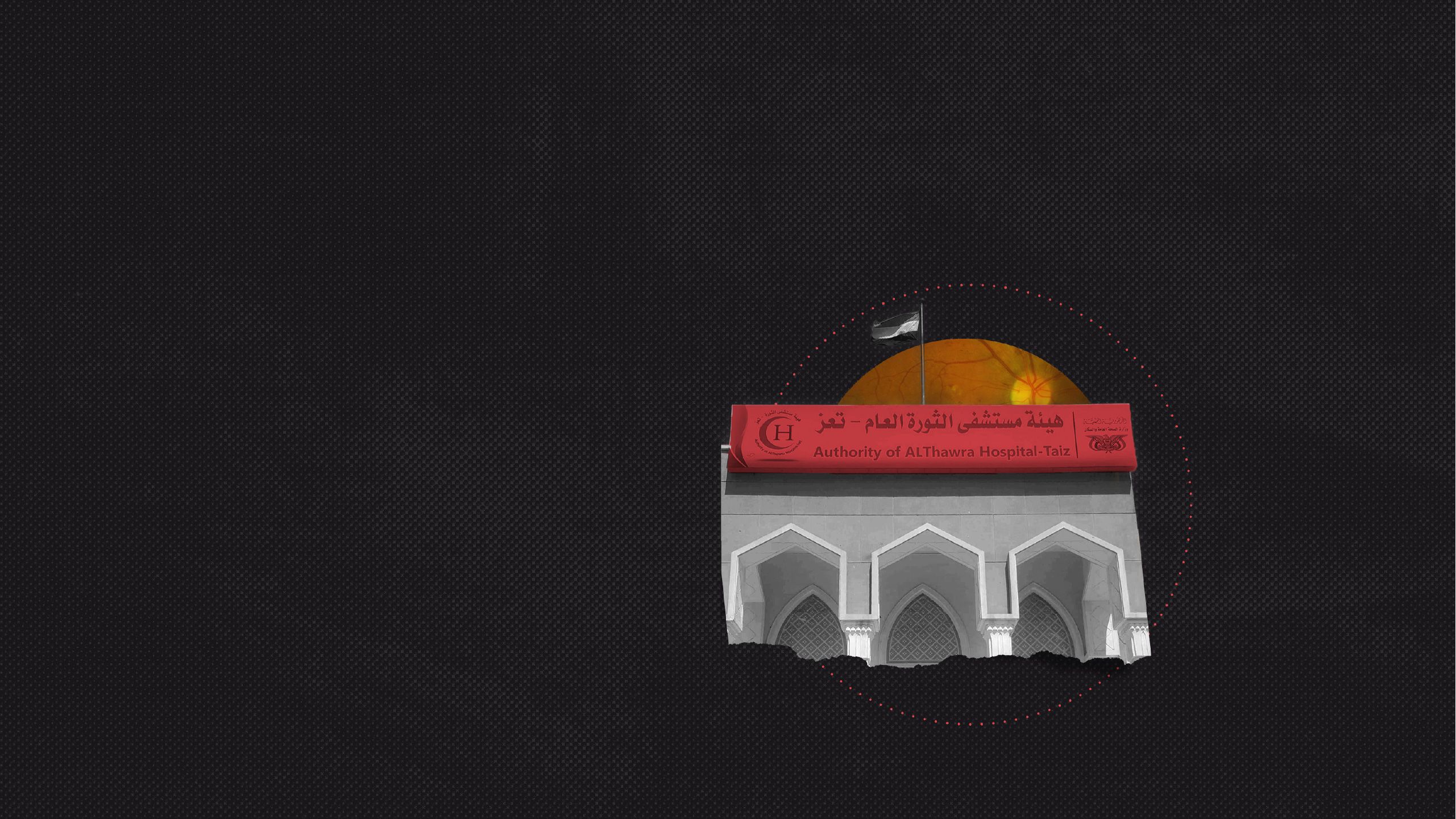
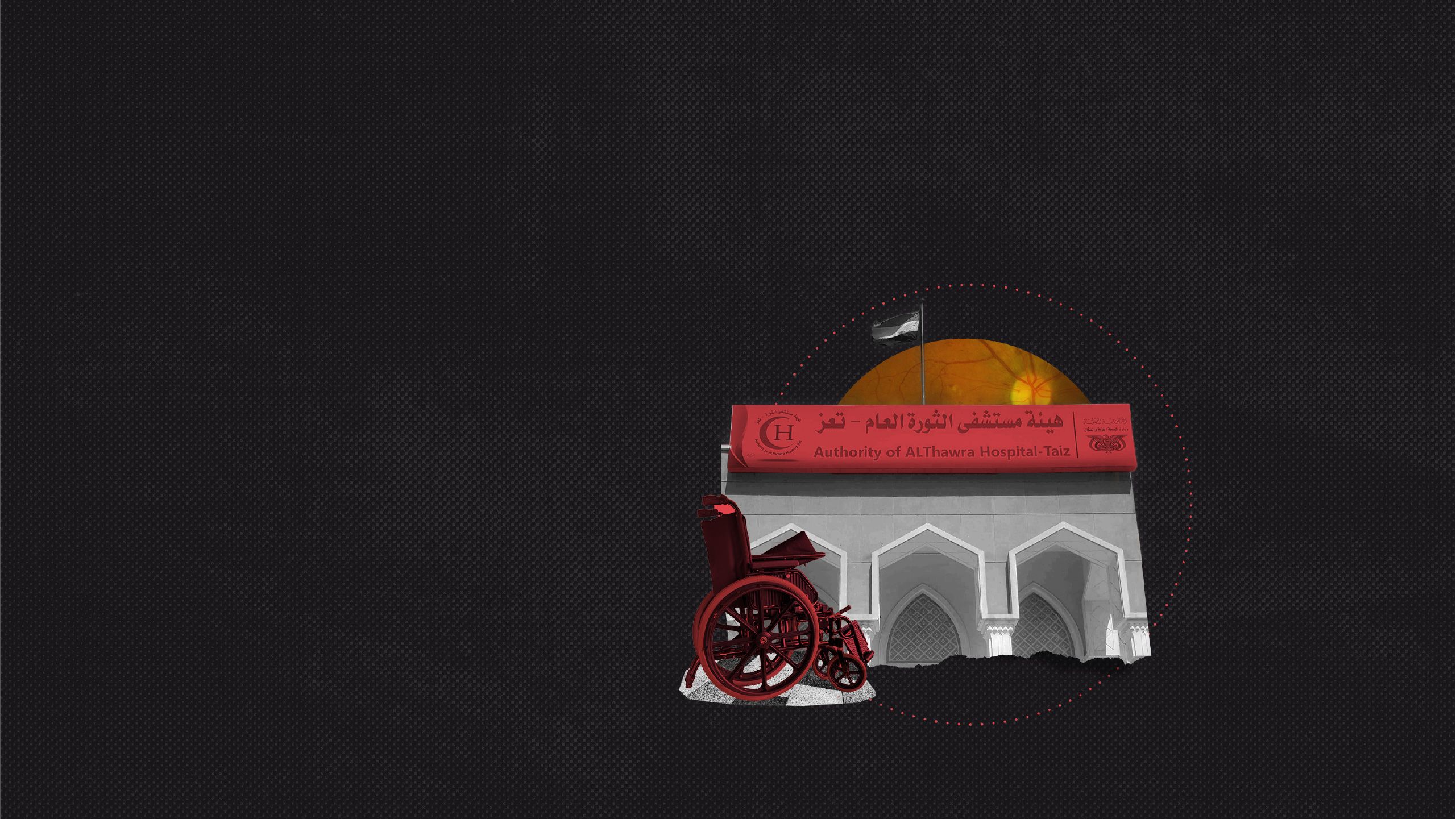
The couple was taken to Thawra Hospital. They were lucky to have had the taxi driver and Mahyoub with them, or else they would have bled to death.
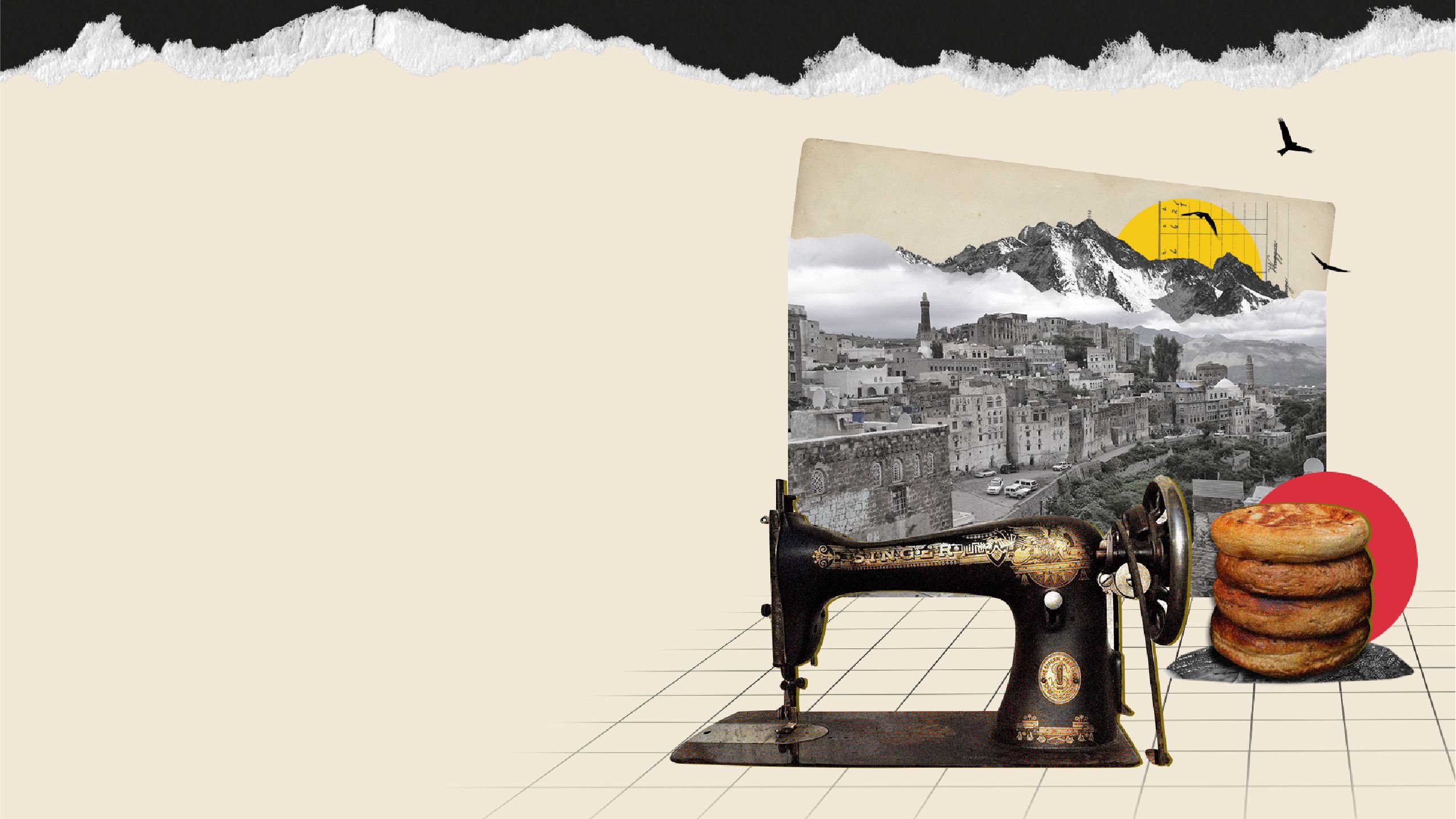
Najiya’s right leg had been amputated to her mid-thigh. After the healing process, she could walk with a crutch, but Numaan, who left the hospital in a wheelchair because his legs had to be amputated below the knee, had lost his sight and acquired a stutter.
***
In Taiz alone, landmines had killed 268 and injured 214 between April 2015 and March 2017.





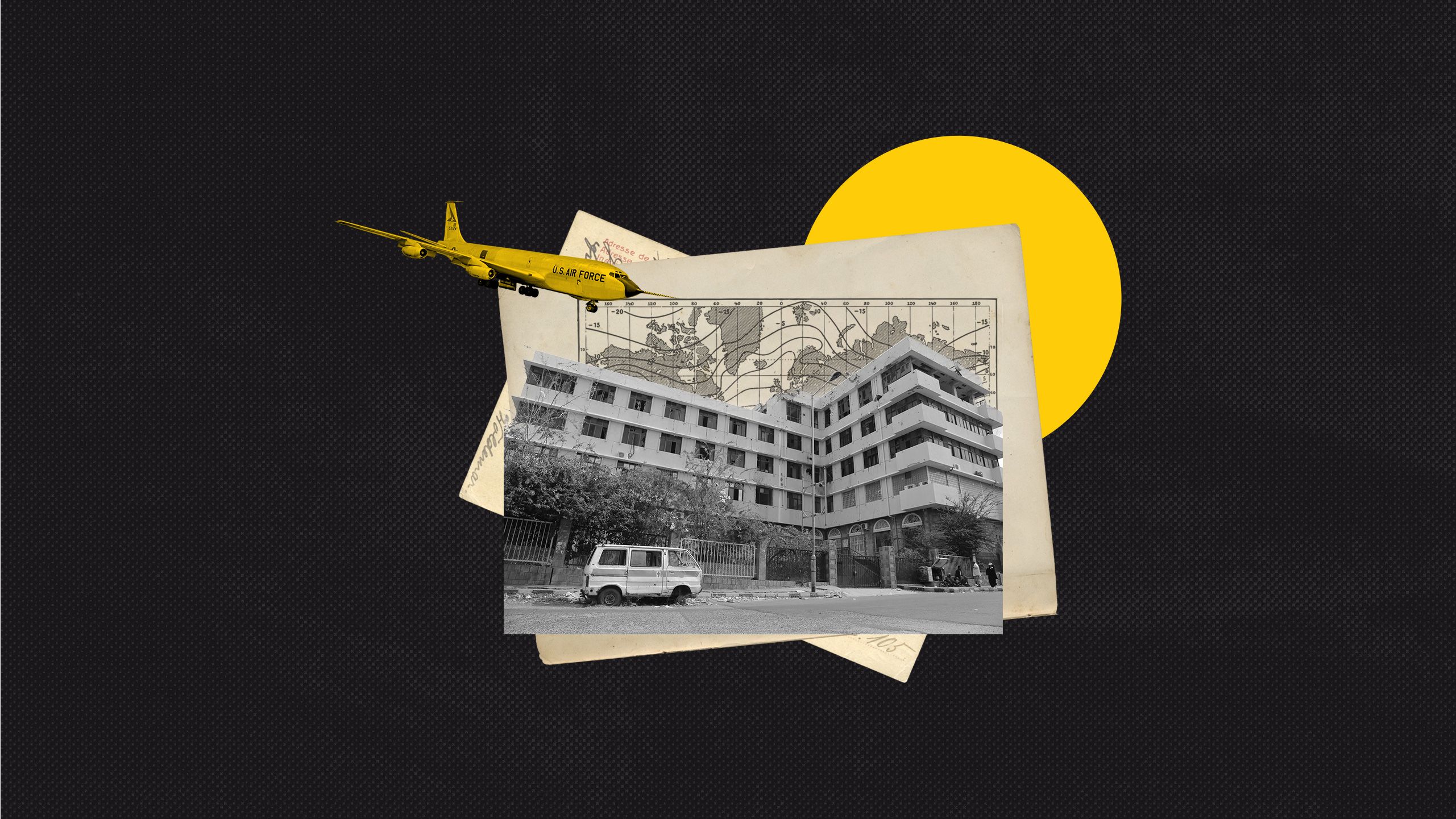

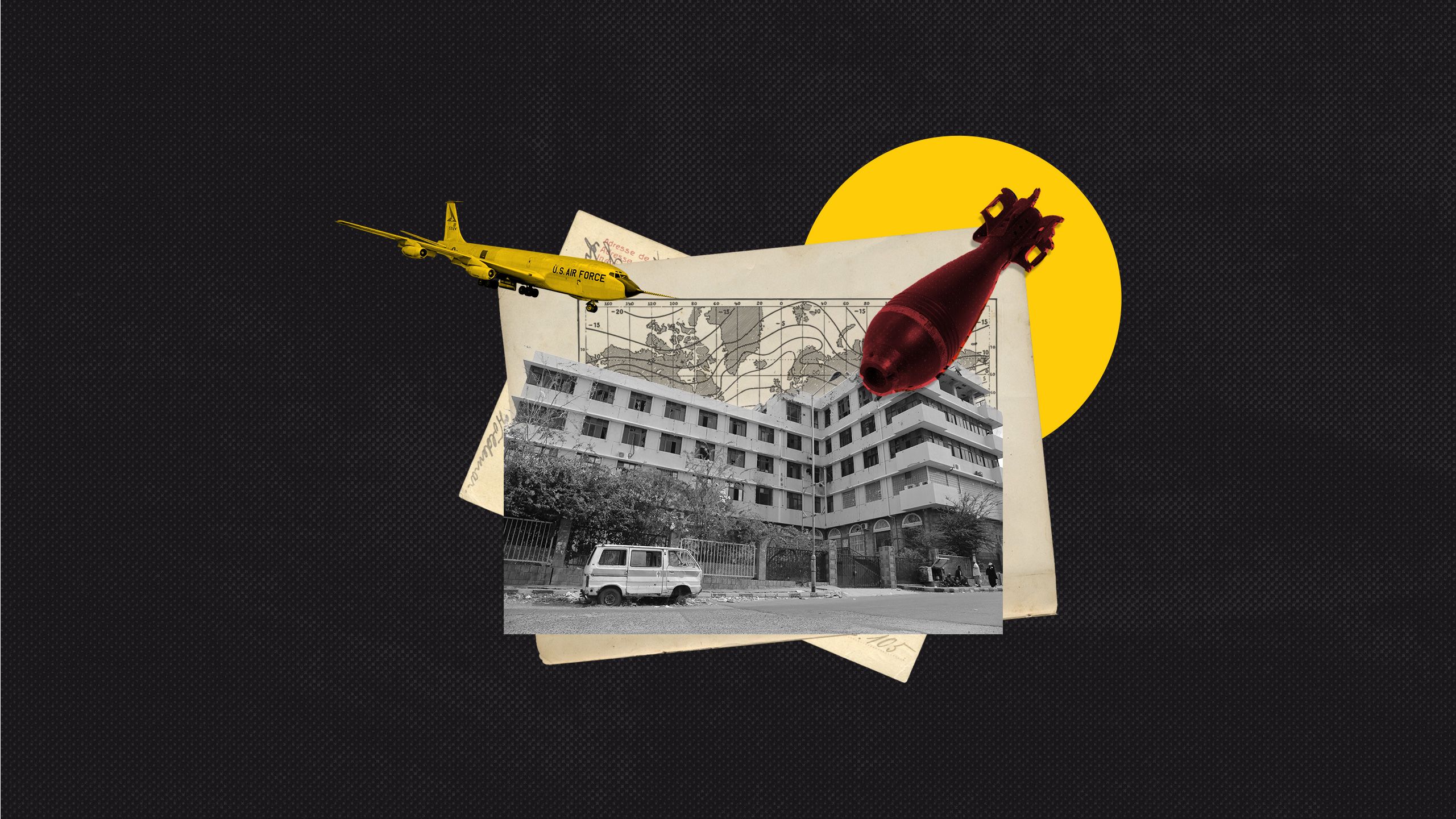
Something strange happened in the hospital that Najiya would never forget.

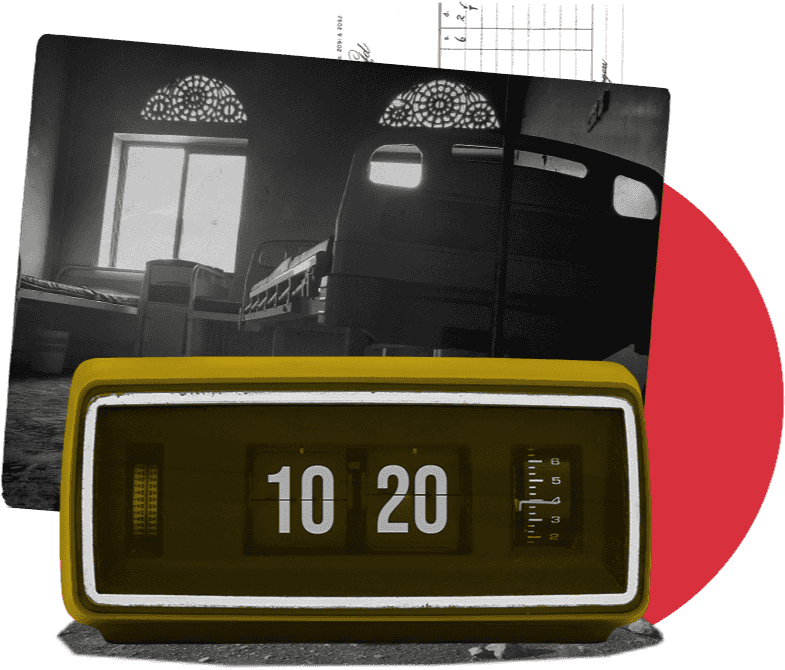
It was 10:20 a.m. when she was lying down on her bed and saw a black cat hide beneath the frame.
It began caterwauling as if someone had just taken away its litter. Najiya’s mother wanted to shoo it away, but only succeeded in hushing it and remarked that the air felt ominous. Ten minutes later, the cat repeated its sad, drawn-out meows. Memories of the factory’s shelling flashed across Najiya’s mind. She supported herself against the wall and made her way to the window.
Looking out, she surveyed the area from left to right. A few seconds later, an artillery shell dropped on the building neighboring the hospital. She saw the glass windows vibrate, moving back and forth. Their rhythmic sound chimed in unison, like the ringing of crystals resounding against each other. Najiya’s mother rushed over, moved her away from the window, and sat her on the bed. The black cat grabbed Najiya’s attention as it left the room. She realized then and there that she no longer feared loud blasts.
Poor mental health, lack of resources, and the stigma surrounding the subject have been haunting victims of war. Many Yemenis have directly or vicariously experienced serious harm and trauma, but women remain the most neglected and excluded group.
While there is currently a lack of adequate data on the general status of mental health in Yemen, the available information suggests that many in the population are likely suffering adverse psychosocial and emotional wellbeing consequences.
The impact of war on mental health in Yemen: A neglected crisis.(2019, July 24). Sana'a Center For Strategic Studies.
Serious risk of mental health crisis in Yemen, say experts. (2019, July 24). Sana'a Center For Strategic Studies.


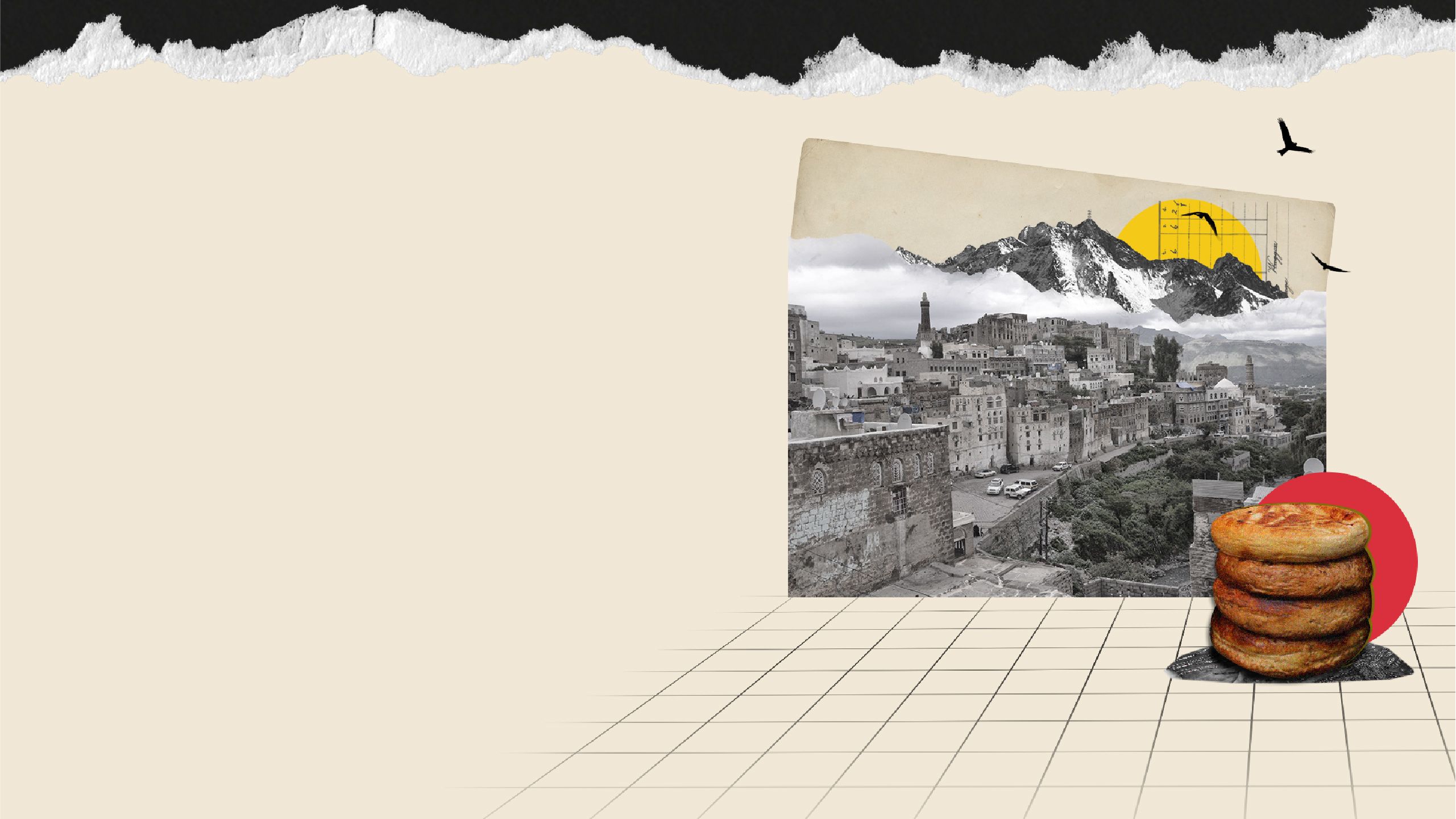

Najiya pondered the black cat at length and how it had foreshadowed the bomb ten minutes before it dropped. If only she had this sixth sense, she would have been able to save many lives.
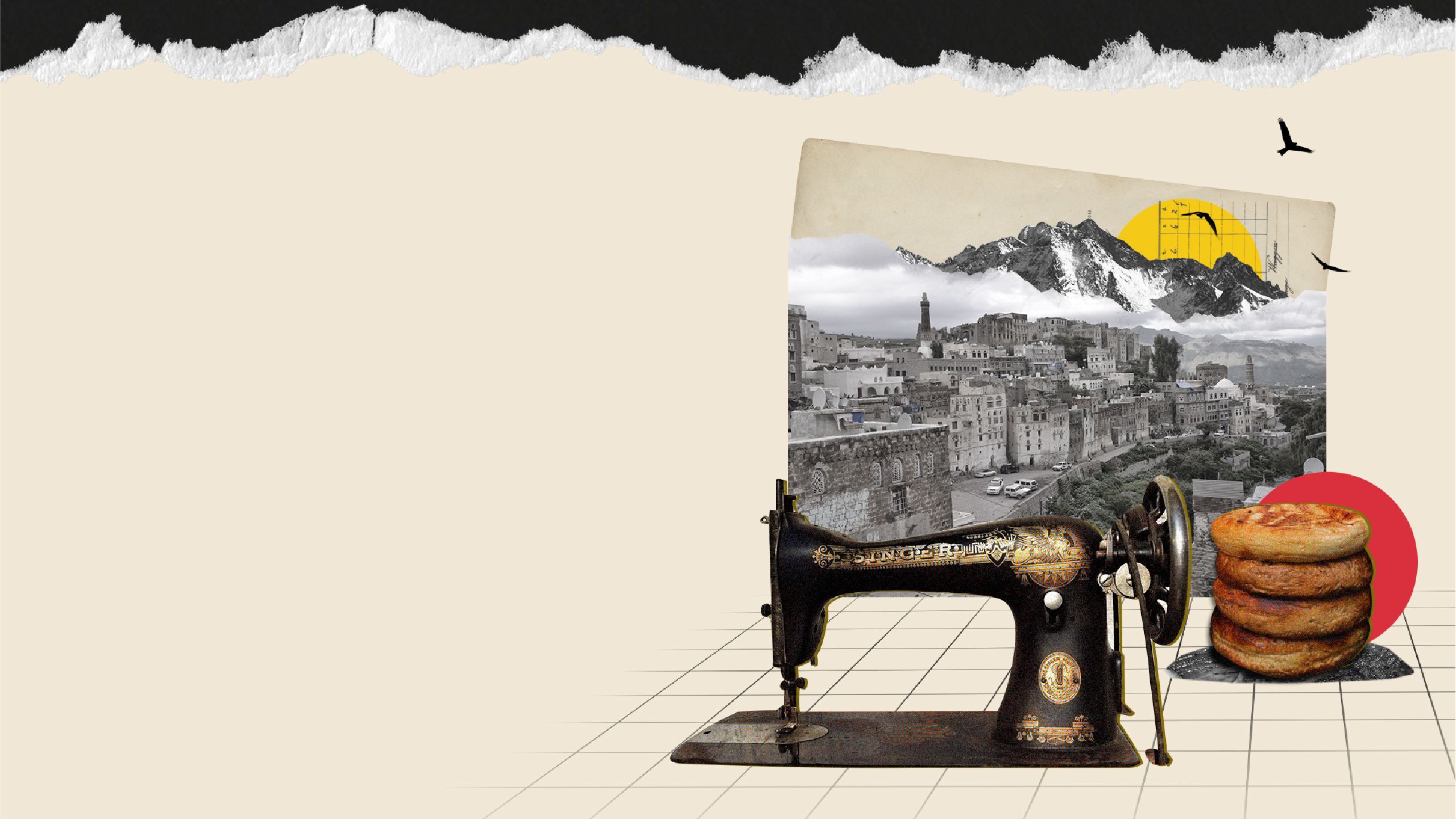
In her husband’s family’s village, she learned how to make Taizi cheese and sew tablecloths. Her life gained some semblance of stability.
She developed a new habit in the countryside. She would get up in the middle of the night and go on a long walk in the fields with the help of her crutch. She wouldn’t return to bed until dawn.
One night, she headed towards a rocky incline that was cut through with narrow cavities that no human could reach or enter. Hyenas had turned the area into their den.
Indifferent to the idea of exposing her life to danger, she sat beneath the caves and stared at the beauty of the stars and the brilliance of the full moon.
She reviewed her life and decided that enough was enough. The future seemed bleak and bereft of joy. All of her dreams and ambitions dwindled into surviving from one day to the next. Destiny had thrown her into the depths of despair, and her horizons showed no glimmer of hope. She wasn’t particularly religious before but took to fasting and praying to heal her soul after that catastrophic evening in Hasab. The shadow of dark thoughts never stopped assaulting day and night.
The distinct odor of animals with which she was familiar interrupted her thinking, but she wasn’t afraid. She looked around and saw a hyena hiding behind an acacia tree. When she looked it in the eye, a shiver ran through her spine and she nearly screamed but turned away to hide her cries.
Najiya closed her eyes and decided to surrender, to let it have its fill. Perhaps in this way, her body would have been of some use.
The hyena circled around her and growled before pouncing towards her. It let out a sharp, screeching laugh from the back of its throat, and she felt its foul breath moisten her face. She was so scared she almost fainted, but suddenly there was silence. She opened her eyes, thinking that it had gone, but when she turned to her right, she saw it kneeling two meters away from her with its eyes focused on her. She sensed that it was asking her to speak. She let all her feelings and thoughts out–the anxieties troubling her soul, the hatred she had for herself, the extent of her despair and dejection, her fate that had irreparably changed in the blink of an eye, her shattered dreams that were nothing now but obliterated ruins, her youth that would wither before having the chance to bloom, and the black shadow that unrelentingly hounded her and asked her to leave life behind.


The stream of words poured out from her, and she didn’t realize when she eventually fell asleep.
She drew in a deep breath when village’s silence was broken as the muezzin’s voice called everyone to prayers that marked early morning prayers. Feeling the cold air, she gathered herself up and gazed at the fullness of the moon, which was on the cusp of receding behind the horizon to the west.
She remembered the hyena and looked to her right but saw her husband out of his wheelchair two meters away from her and positioned where the hyena had sat. His eyes were glazed over, and he was dead.
***
The years passed by quickly. Najiya and I got married. We gave birth to Hamdi and Sidra, and then to twin boys, Faris and Yazan. We then purchased a nice home in one of Sana’a’s quiet suburbs.
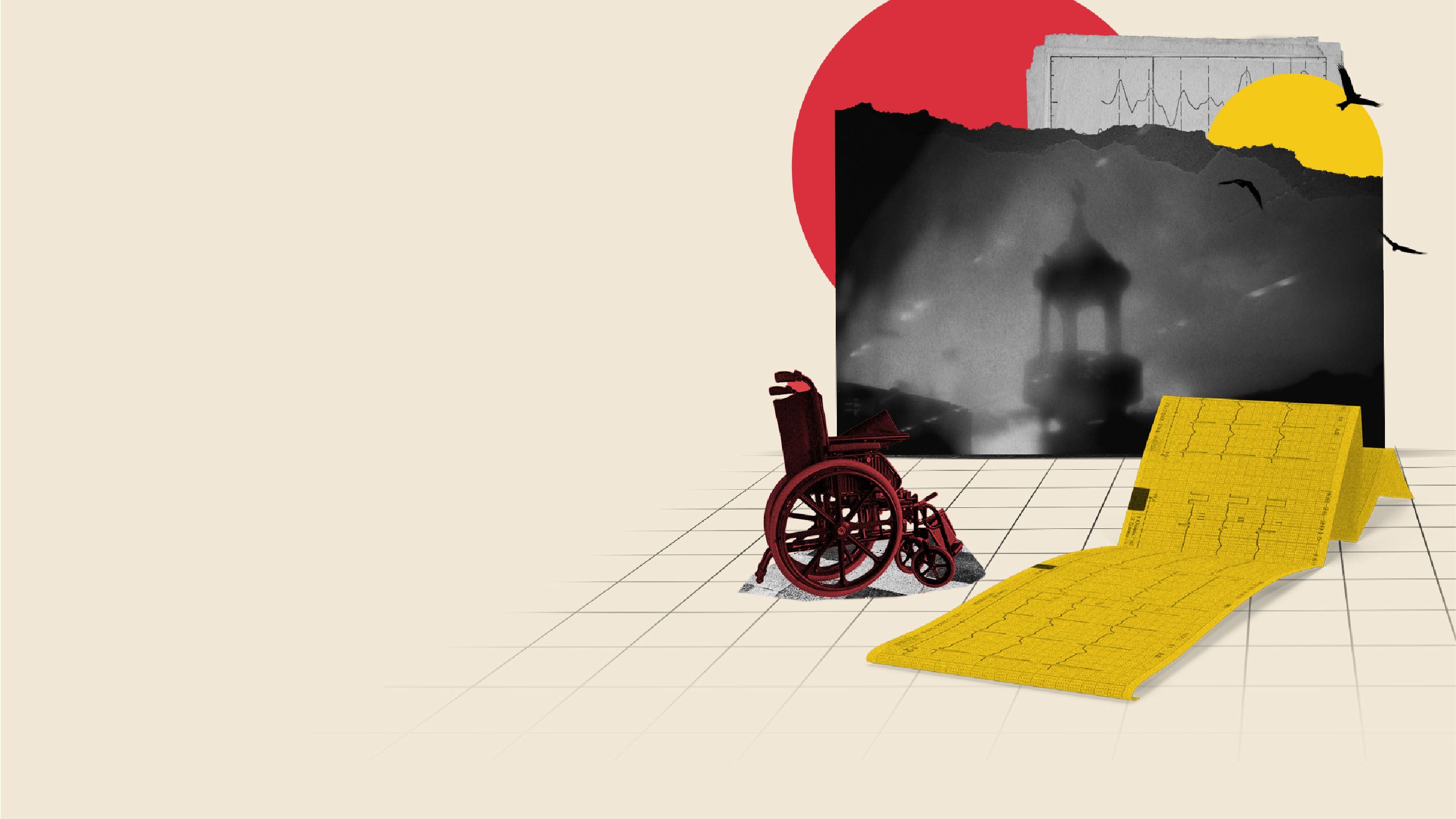
Najiya got a prosthetic leg which enabled her to carry out daily tasks, at work and at home.
We campaigned for donations and opened a center for people with disabilities, and Najiya split her time between caring for our children and looking after people at the center.
Despite my objections, she brought a small black cat home that was only a few days old and had been left to die by a trash can. She took care of it until it became our pampered pet.
Najiya’s family and work make her proud. The suicidal thoughts she once had belong to the past. Sometimes she thinks about them, but only when breathing in a deep sigh of relief. The happiness that she once considered so far from possible had finally knocked on her door.
What happened in that liminal space between consciousness and sleep when the hyena was listening to her? Did Numaan negotiate with the Angel of Death and sacrifice his soul in exchange for hers? I’d like to think that he did.
***
The visual story was developed by Azal Al-Salafi and Ahmed Alhagri and designed by Data4Change. This project was made possible with generous support from:




 Built with Shorthand