Policing in a Fragmented State





The collapse of police institutions
In the context of the war, the police sector collapsed in several Yemeni areas. As a consequence, the crime rate increased.
The situation was aggravated by informal armed groups, which not only disrupted police work but also took on functions of formal security actors.
Deteriorating security in the absence of police.
Data collected by the Yemen Polling Center in Taiz in 2017 demonstrates how the collapse of the security sector impacted the security perspectives of residents. In June 2017, three-quarters of Taiz residents described the security situation as being worse than in the previous year. Only approximately 5 per cent stated that it had improved.
Assessment of the security situation in comparison to the previous year by the Yemeni population (2017)










With the absence of police, theft and burglary rates increased significantly. The police regularly deal with these types of small crimes.
When the police sector was being rebuilt after 2017, the rate for such crimes dropped. In a 2019 YPC nationwide poll, only 5 per cent of crimes reported involved theft. In contrast, data from 2017, collected at a time when the police were still mostly inactive, show that this rate was at 30 per cent.
A YPC poll conducted in 2019 in Taiz determined that only a quarter of the population viewed security as deteriorating, while 43 per cent found security to be improving. This is a noticeable increase of positive security perceptions when compared to the 2017 numbers. This is also related to the increase of police activity.
Assessment of the security situation in comparison to the previous year by the Yemeni population (2019)
This demonstrates the effectiveness of police. In fact, Yemenis find that police are effective at addressing small and petty crimes that affect communities the most on a daily basis.
This is also confirmed by data collected by the 2019 YPC nationwide poll, as a majority of the respondents across Yemen found the police very or somewhat effective in addressing conflict and crime.
Violent crime remains high – a governorate level responsibility
However, violent crimes remain high. Police are unable to engage in crimes involving weapons.
In reality, when a problem or security incident occurs in this area, which actor deals with it first?
Although the police sector was rebuilt, grave challenges to policing persist.
Chiefs of district police stations reported that the biggest challenges are the proliferation of arms among civilians and informal armed groups.
Because the police themselves lack arms and resources amid a lack of budgets, police are unable to interfere in violent crimes.
“In fact, we may even be targeted by these armed groups who may storm the police station and seize it at any time, considering the lack of equipment and arms.”
“There are no real assurances. We trust in God.”
Other challenges include the consequences of the lack of funding.
“We do not have a budget.”
“We have not received salaries in eight months.”
Most police station buildings were damaged during the war. Today, some of these police stations operate from abandoned hotels and other private buildings. But many stations at the district level lack running water and electricity.
“We take files home, because they will be lost otherwise.”
“We don’t have enough police vehicles.”
To overcome these challenges and to become an all-round security provider, police require support from the Yemeni government. What they need most is an operational budget, equipment, and better infrastructure.
Instead, the lack of resources creates space for non-state actors to perform as security actors.
This is not a new development. The Yemeni government never possessed a monopoly on the use of force. Security is not only provided by formal security institutions but also by those actors that are often made responsible for insecurity: non-state actors, such as armed tribes, militias, and other armed groups.
It is important to note, however, that Yemenis still prefer the police as a security provider.
Consequently, in case of a crime or a security problem, Yemenis report it to the police first.
In the case of a crime or a security problem, whom will you inform first? (IRG Territory)

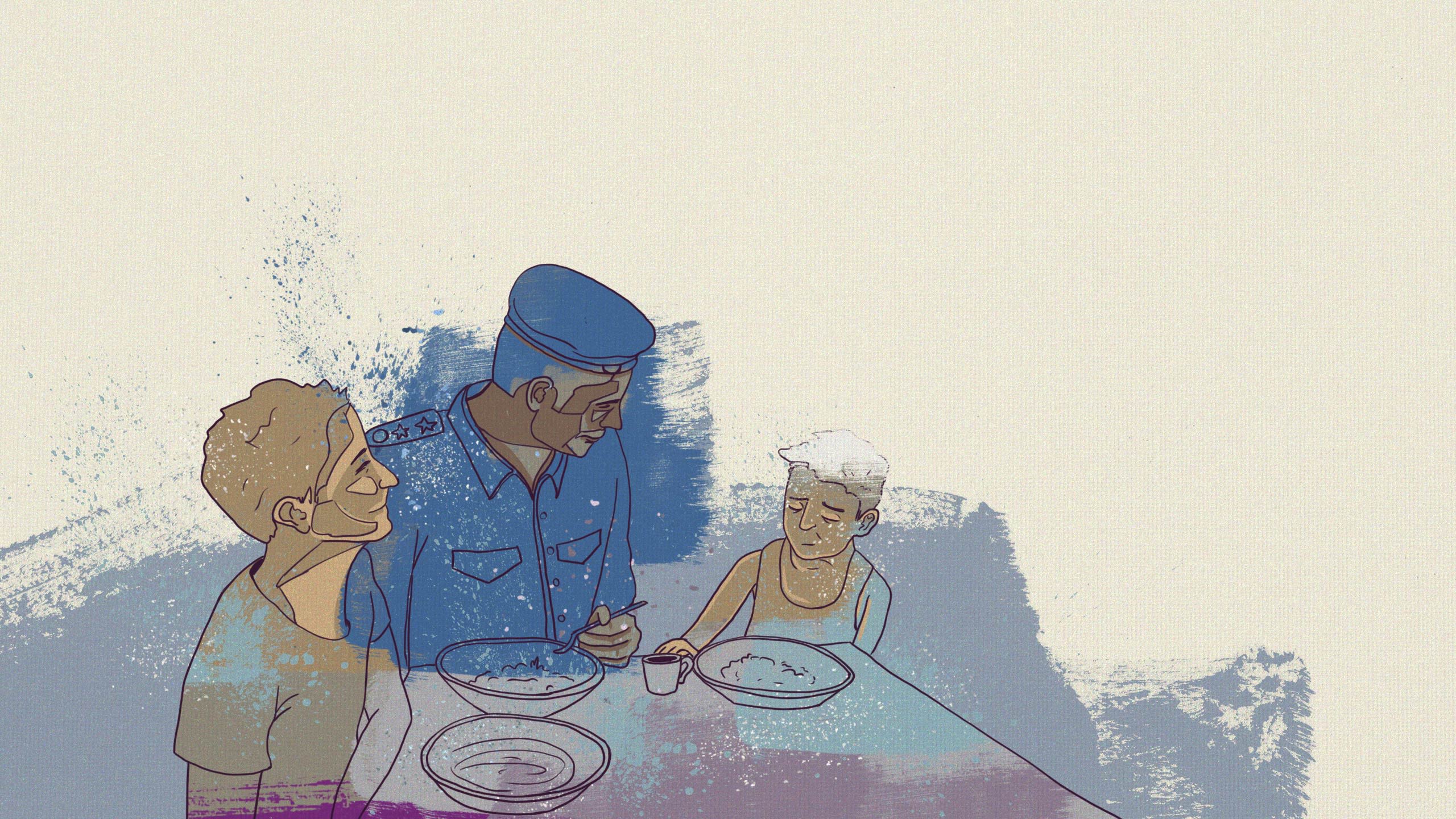

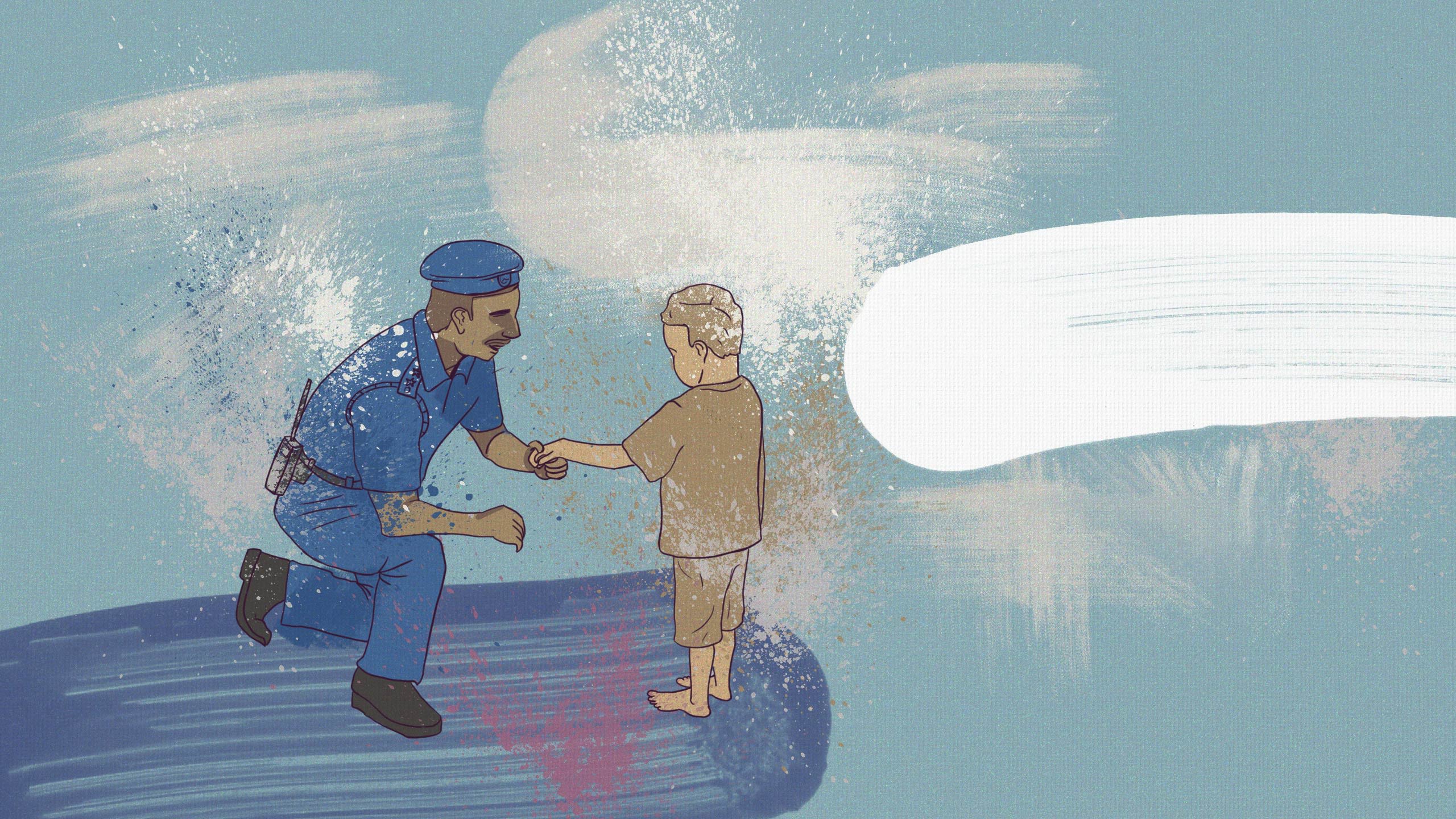



The police, in contrast to informal actors, are viewed as a legitimate state institution. Moreover, a majority of police officers are employed from the communities. This local ownership further legitimizes the police within communities.
District and subdistrict level police are the cornerstone of local community security. While the police is often viewed as corrupt, amongst the formal security providers it holds the greatest potential to garner community trust.
This potential to garner community trust and become a community security provider is manifested in the support district police receive from the private sector and communities.
Because of this support, police continue to function despite the challenges police face.

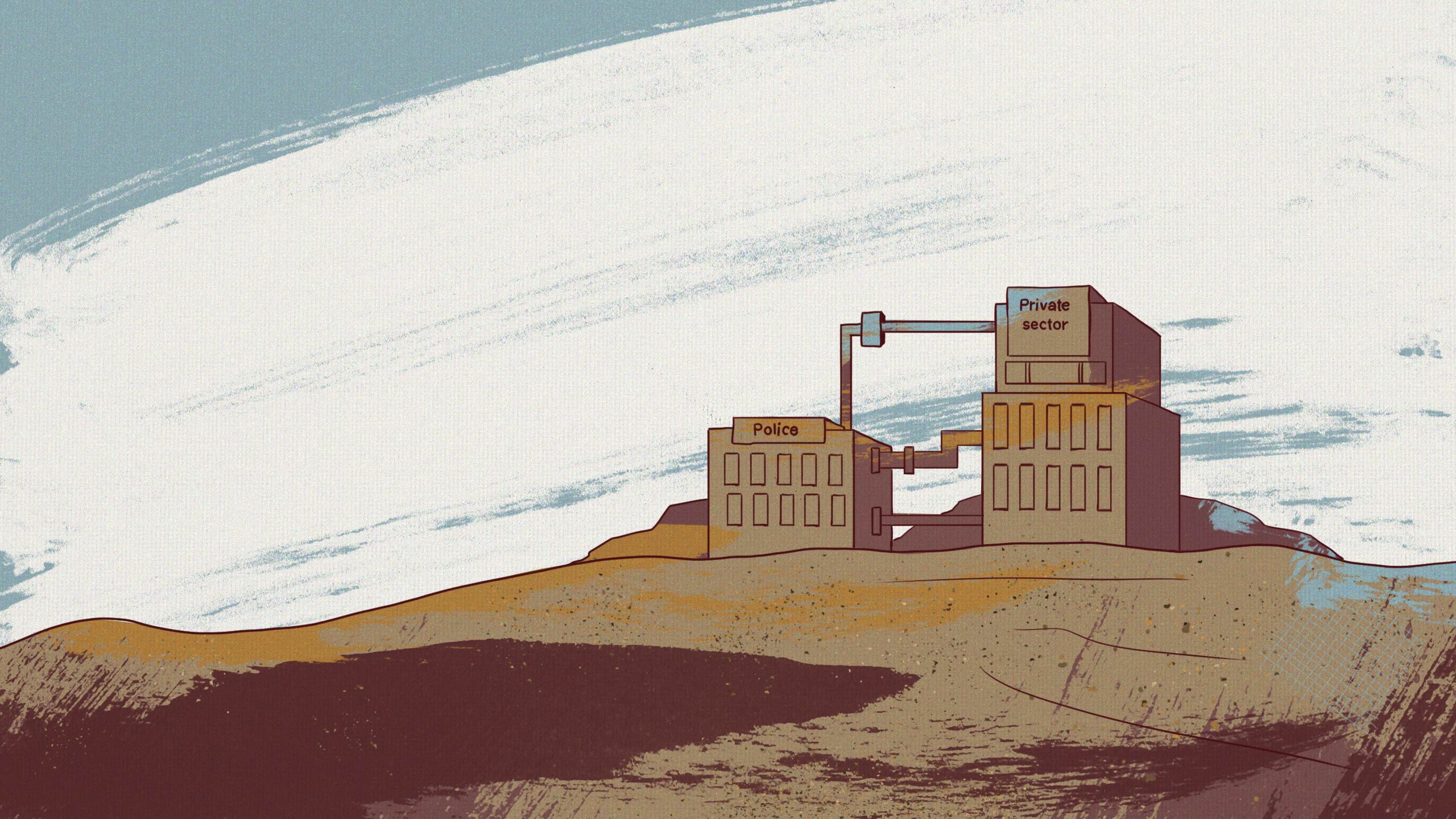
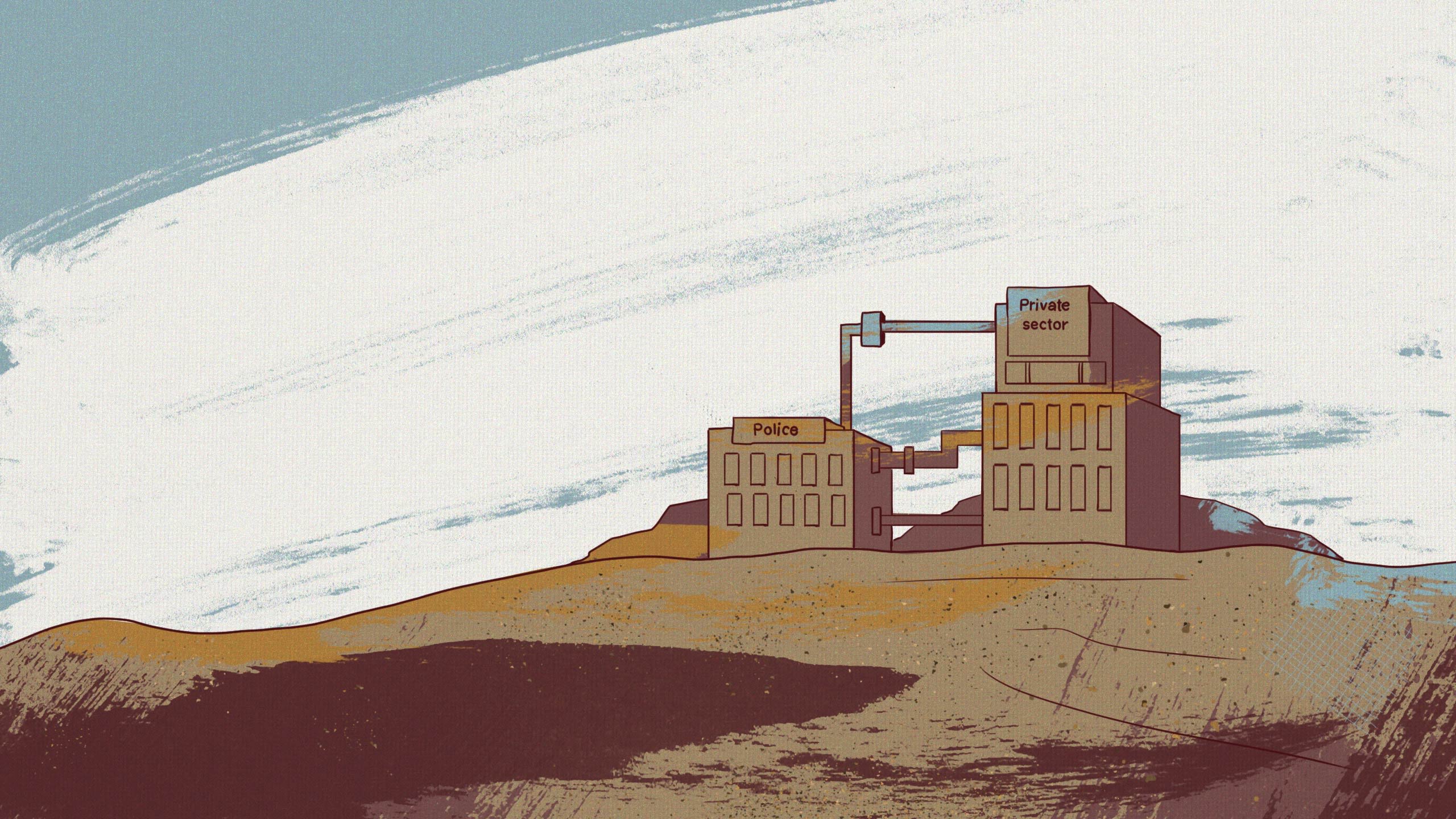

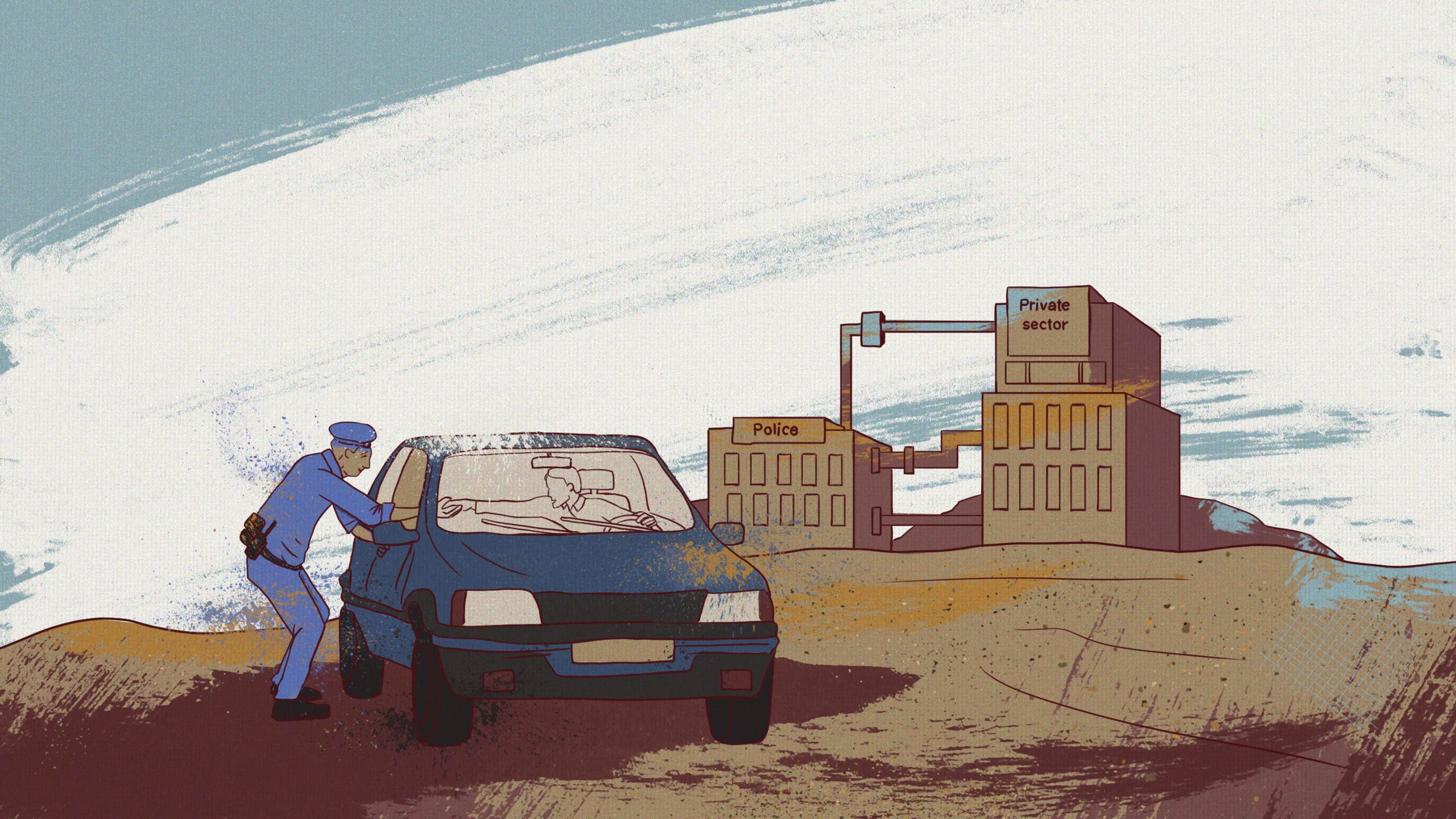
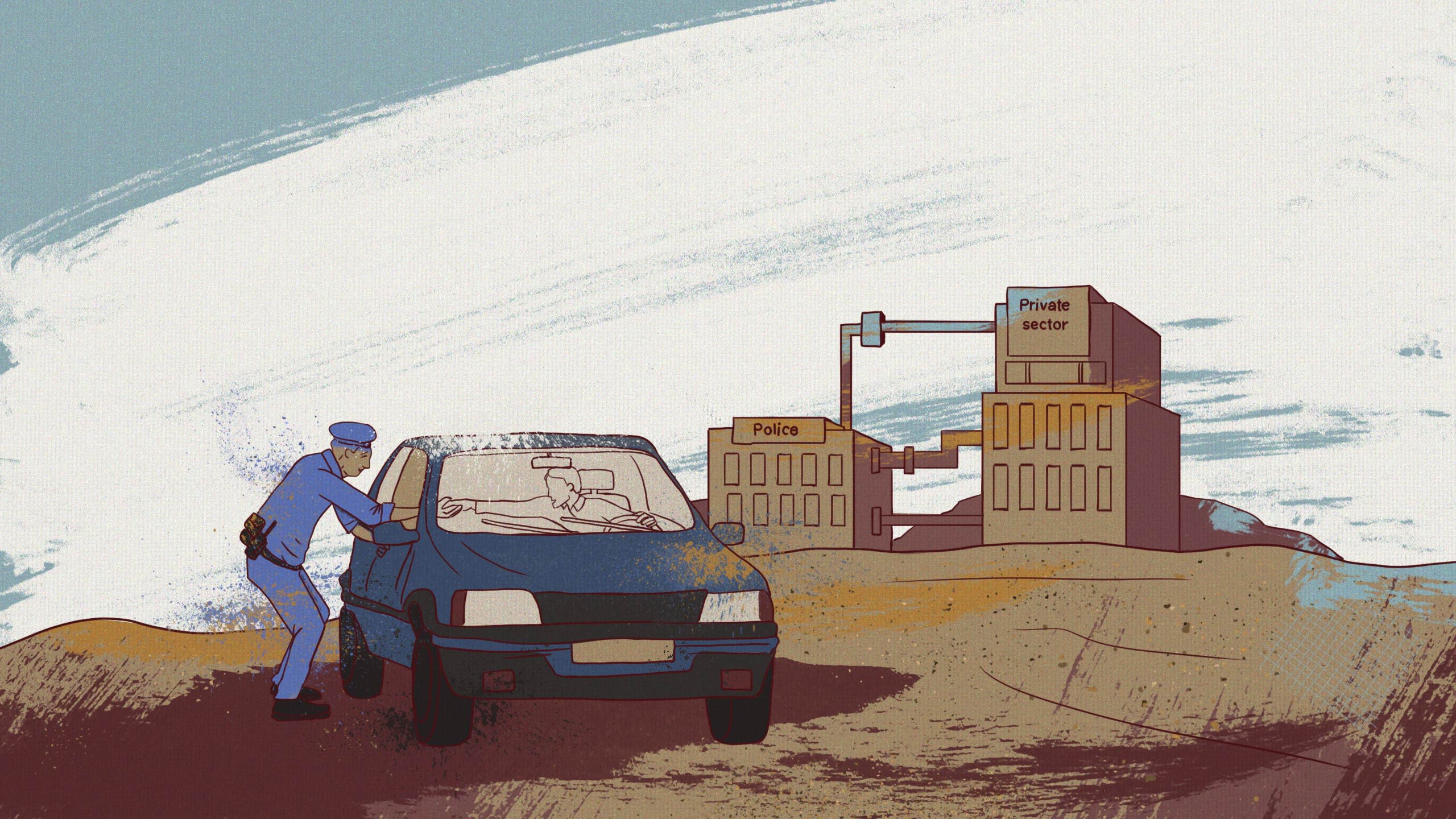
Due to lack of funding, the police have begun to cover their expenses in part by collecting financial and material contributions in exchange for services. These contributions come in the form of cash, transportation, and even covering police officers’ daily expenses.
Local business owners also support the police by providing buildings rent-free, in place of those destroyed by the war. Also, commercial electricity and water companies provide their much-needed services to police stations free of charge.
And the support goes further. Police often commute in private vehicles belonging to neighbors. Some civilians also pay for police transportation.
Police officers themselves contribute to the resilience of police by using their personal phones, vehicles and firearms to cover the resource gap. The police have also shown creativity to circumvent some challenges. For instance, applying for grants to implement projects like city-wide camera surveillance. A project which has been reported by locals to have greatly improved security in Taiz.







This support has kept the police sector afloat. Without these coping strategies, the police on the community level would cease to exist.
But there are also negative stories of police taking fees for services. Individuals have been imprisoned just because someone paid the police a fee.
With the costs being transferred to the community, those with less means can’t afford police services. Without transparency and accountability, human rights and community security are at stake.
While these payments are often understood as corruption, they enable the functioning of the police. So we must discuss corruption in a more nuanced manner. Such transactions should become more transparent.
Could this be an opportunity to make police more accountable?
Let’s discuss!
This story was illustrated by Yousra Sheded. The visual story was developed by Mohamed Al-iriani and Ahmed Alhagri and designed by Data4Change.
This project was made possible with generous support from:


 Built with Shorthand